






















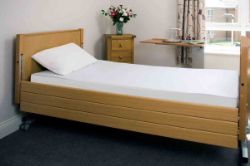


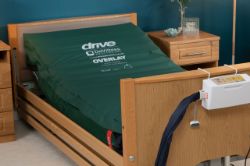
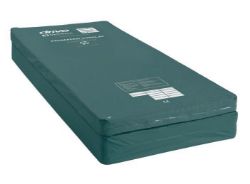
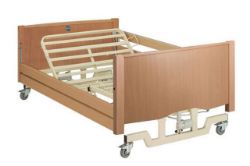
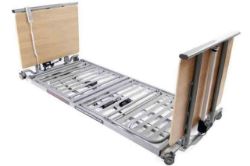
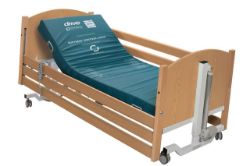


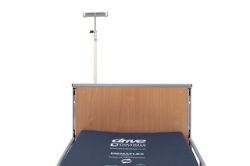
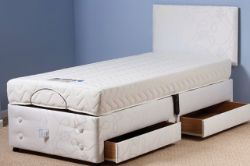


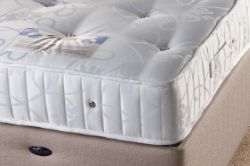

















A pressure relief mattress works by distributing a person’s weight across a larger surface area, reducing sustained pressure on vulnerable parts of the body such as the heels, hips, shoulders and back. Static foam mattresses achieve this through specialist foam construction, while dynamic mattresses use a pump to alternately inflate and deflate air cells. At Healthcare Direct, we provide a range of pressure care products for use at home and in healthcare settings. This guide explains how pressure mattresses work, their key benefits and what to consider when choosing one.

Key Benefits of a Pressure Mattress
- Redistributes pressure: Helps spread pressure more evenly across the body, reducing prolonged pressure on vulnerable areas such as the hips, shoulders and heels.
- Helps reduce the risk of pressure ulcers: Pressure-redistributing mattresses can form an important part of a wider pressure-care plan for people at increased risk.
- Supports comfort: Reducing concentrated pressure can make longer periods spent in bed more comfortable.
- Different options available: Static, dynamic and hybrid mattresses provide different approaches to pressure redistribution for different levels of need.
- Suitable for different care environments: Pressure mattresses can be used in hospitals, care homes and domestic settings, depending on the individual's requirements and the product specifications.
Who Is a Pressure Mattress Suitable For?
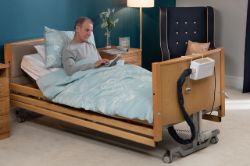
Pressure mattresses are suitable for people who may be at increased risk of developing pressure ulcers, including those with limited mobility, reduced sensation, fragile skin or difficulty repositioning themselves independently. They can be used in hospitals, nursing and residential care homes, and at home. The most appropriate mattress will depend on the individual's pressure-ulcer risk, mobility, weight and overall care requirements. A pressure mattress should be used as part of a wider pressure-care plan and does not replace regular repositioning, skin checks or professional assessment where required.
How to Choose or Use a Pressure Mattress

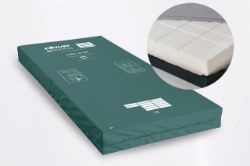
There are several types of pressure mattress available. Static pressure mattresses, often made from specialist foam, redistribute pressure continuously without requiring electricity.
Shop Static Pressure Mattresses Here: Profiling Bed Foam Mattresses. Healthcare

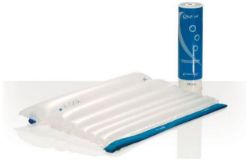
Dynamic pressure mattresses use an electric pump to inflate and deflate air cells in alternating cycles, regularly changing where pressure is applied.
Shop Dynamic Pressure Mattresses Here: Dynamic Mattresses. Healthcare

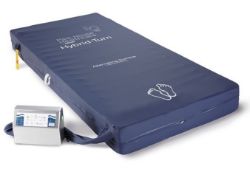
Hybrid mattresses combine foam with air-cell technology to provide pressure redistribution through both materials.
Shop Hybrid Mattresses Here: Hybrid Mattresses. Healthcare
When choosing a pressure mattress, consider the user's weight, mobility, pressure-ulcer risk and the dimensions of the bed. Always check the manufacturer's recommended weight range and ensure the mattress is suitable for the intended bed and user.
For dynamic or hybrid mattresses, the pump should be set up and adjusted according to the manufacturer's instructions. Some systems automatically adjust the pressure, while others require the setting to be selected based on the user's weight.
A pressure mattress should be used alongside appropriate pressure-care measures, including repositioning and regular skin assessment where necessary. If you are unsure which type of mattress is appropriate, seek advice from an appropriate healthcare professional.
Frequently Asked Questions
What is a pressure mattress used for?
A pressure mattress helps redistribute pressure and can help reduce the risk of pressure ulcers. The appropriate type depends on the individual's needs and level of risk.
What is the difference between a static and dynamic pressure mattress?
A static mattress provides continuous pressure redistribution, generally using specialist foam. A dynamic mattress uses powered air cells that inflate and deflate in cycles to regularly redistribute pressure.
Do pressure mattresses need a pump?
Not all pressure mattresses need a pump. Static foam mattresses work without electricity, while dynamic mattresses generally require an air pump. Hybrid mattresses may also require a pump when their dynamic air system is being used.
How do I choose the right pressure mattress?
Consider the individual's mobility, pressure-ulcer risk, weight and care environment. You should also check the mattress's dimensions and maximum user weight. For people with significant pressure-care needs, professional assessment can help determine the most appropriate support surface.
If you have any questions about our pressure mattresses or need help choosing the right option for your needs, our friendly team at Healthcare Direct is always happy to help. Simply give us a call on 0208 236 0060 and we'll be happy to assist.
Written by Healthcare Direct’s Product Team
First published: 31 July 2023
Last reviewed: September 2026