



































Choosing the right incontinence products helps care homes support residents' comfort, dignity and daily care needs. With different styles, sizes and absorbency levels available, it's important to find the right fit for each person. This guide explains the main product types, how they differ, and what to consider when choosing.
Written by: Healthcare Direct Product Team
Last reviewed: 20 November 2026
Why Choosing the Right Incontinence Products Matters
Suitable continence products can help care homes improve comfort, support independence and make assisted changing easier. A secure fit and suitable absorbency can also help contain leaks and reduce soiling of clothing, bedding and furniture
Types of Incontinence Products
The three main body-worn options are shaped pads, pull-up pants, and all-in-one briefs. A range of supporting products is also available, such as bed and chair protection. The most suitable choice depends on the resident's mobility, level of incontinence, and how much help they need with changing.
Shaped Incontinence Pads
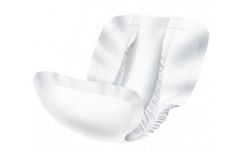
Shaped incontinence pads are absorbent inserts worn with fixation pants to hold them in place. Available in different absorbency levels, they suit residents who can manage their own care or need some assistance.

Examples from HealthCare Direct's range include:
- Lille Suprem Form Regular – Designed for light to moderate leakage.
- Lille Suprem Form Maxi – A higher-capacity option for heavier leakage.
- TENA Comfort Super – A high absorbency shaped pad designed to be worn with fixation underwear.
Pull-Up Incontinence Pants
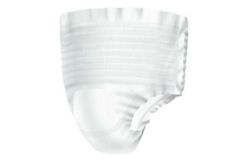
Pull-up incontinence pants look and feel more like regular underwear. Their elasticated waist makes them easy to pull up and down, making them a good option for mobile residents who can use the toilet independently.

Examples from our range:
- Lille Suprem Pants Large Extra – A large pull-up pant designed for moderate to heavy bladder leakage.
- TENA Pants Plus Classic Medium – A medium pull-up pant with TENA’s Plus absorbency level and an underwear-style fit.
All-in-One Incontinence Briefs
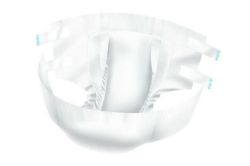
All-in-one briefs have an absorbent core and adjustable side fastenings. They are suited to residents with limited mobility or those who need help changing, as they can be fitted without pulling them over the legs.

Examples from our range:
- Lille Suprem Fit Medium Extra – A medium brief with adjustable tabs, designed for heavy bladder leakage.
- Lille Suprem Fit Large Maxi – A large brief at the highest absorbency level in the Lille Suprem Fit range.
- TENA Slip Active Fit Plus Medium – A medium brief with TENA’s Plus absorbency level, designed for moderate to heavy leakage, with adjustable side fastenings.
How to Choose the Right Incontinence Product
When choosing products for care home residents, consider four key factors:
1. Mobility: Pull-up pants may suit residents who manage their own toileting. All-in-one briefs make assisted changing easier, while shaped pads allow residents to change the absorbent insert without replacing their underwear.
2. Absorbency: Match the product to the amount and frequency of leakage. Higher absorbency isn't always necessary, particularly for lighter incontinence.
3. Size and fit: Follow the manufacturer's sizing guide. Products that are too loose or tight may cause discomfort or leakage. If leaks are frequent, check the size and how the product is fitted before moving to a higher absorbency. For more advice, see Bladder & Bowel UK's guide to getting the best from continence products.
4. Skin care: Check and change products according to the resident's needs. Clean and dry the skin gently and seek clinical advice if irritation or skin damage develops.
Residents with complex continence needs should have an individual assessment by a healthcare professional. Review whether the current product still meets the resident’s needs, particularly if their mobility or continence changes; leaks become more frequent, or skin irritation develops.
Bed and Chair Protection for Continence Care
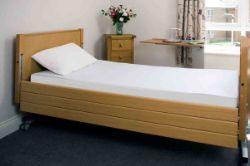
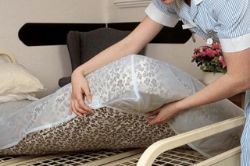
Bed and chair protection products provide an extra layer of protection for mattresses, bedding and seating if leaks occur.
Washable Bed and Chair Pads
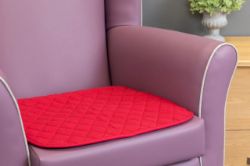
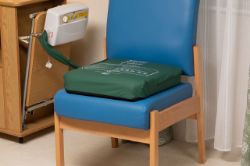
Washable bed pads and washable chair pads provide reusable protection for mattresses, bedding, and seating. Bed pads are available with or without tuck-in flaps. Flaps help keep the pad in place on the mattress. For chair pads, check the dimensions against the seat. Follow the manufacturer’s laundering instructions for both.

Disposable Bed Pads
Disposable bed pads offer single-use protection for beds and mattresses. They absorb accidental leaks and can be removed and replaced after use, allowing for quick changes.

Washable Floor Pads
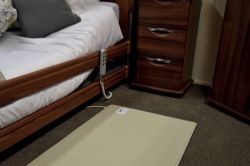
Washable floor pads protect floors from accidental leaks. They can be placed in suitable locations around beds or seating and washed after use. Check that pads lie flat and do not create a trip or slip hazard.

Supporting Products for Everyday Continence Care
Other products can help care homes manage continence care:
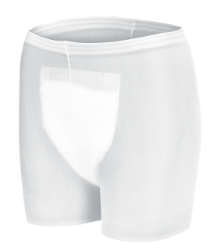
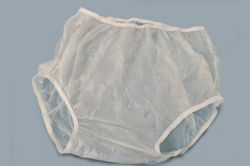
- Fit and added protection: Net pants hold shaped pads in place, while fluid-proof briefs provide an extra protective layer.
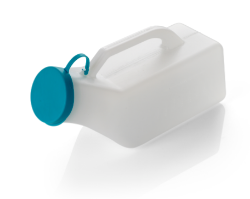
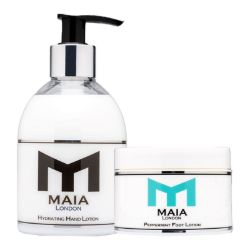
- Toileting and hygiene: Urinal bottles can help residents with limited mobility. Patient wipes, skin care products and nappy sacks support cleaning and disposal.
The NHS guide to incontinence products provides further information on absorbent products, bedding protection and other continence aids.
Frequently Asked Questions
Which incontinence products are best for residents with limited mobility?
All-in-one briefs are often easier for staff to change, thanks to their adjustable side fastenings.
Are pull-up pants or shaped pads better for mobile residents?
Both can work well. Pull-up pants are convenient for independent toileting, while shaped pads offer a choice of absorbency levels when used with fixation pants.
How do I choose the correct absorbency level?
Consider how much and how often the resident experiences leakage. Manufacturer absorbency ratings can help compare products, but how well a product contains leaks also depends on fit and positioning.
How often should incontinence products be changed?
Change products according to the resident's care plan and the manufacturer's guidance. Replace them promptly after faecal soiling, leakage or when they become saturated.
Shop Continence Care Products at HealthCare Direct
Browse our full Continence Care range, including TENA and Lille products, or call 0208 236 0060 for help choosing the right product.
References
Bladder & Bowel UK. Getting the best from continence products (accessed 20 November 2026).
HealthCare Direct. Continence Care product pages (accessed 20 November 2026).
National Health Service. Incontinence products (accessed 19 November 2026)
National Institute for Health and Care Excellence. Urinary incontinence and pelvic organ prolapse management (accessed 19 November 2026)





Leave your comment