












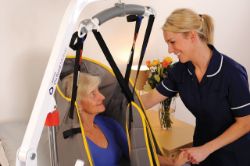
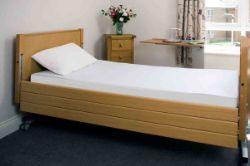
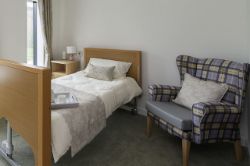
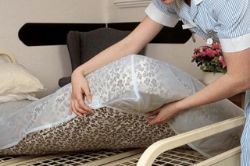


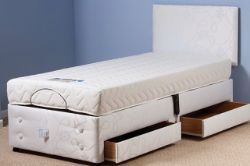
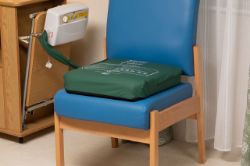
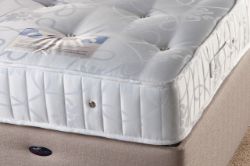





Stop Pressure Ulcer Day takes place on 19 November and highlights the importance of preventing pressure-related skin damage. If you’re choosing equipment for someone with reduced mobility, HealthCare Direct offers pressure relief mattresses, seating cushions and heel protectors. This guide explains how they differ and what to look for when comparing them.
How can pressure ulcers be prevented?
Prevention starts with identifying who is at risk and reducing prolonged pressure on vulnerable areas. The National Institute for Health and Care Excellence (NICE) recommends a skin assessment and an individualised care plan for adults assessed as being at high risk.
Adults assessed as being at risk should be encouraged to change position at least every six hours, and those at high risk at least every four hours. The frequency should be documented for each person. Specialist pressure-redistributing equipment such as mattresses and cushions can support the care plan., People at high risk of heel pressure ulcers may also need a heel offloading strategy.
Mattresses for pressure ulcer prevention
Pressure relief mattresses redistribute body weight to reduce prolonged pressure on vulnerable areas. The most suitable type of mattress depends on the person’s mobility, pressure ulcer risk and care setting. HealthCare Direct offers high-specification foam, dynamic alternating pressure and hybrid mattresses.
Dynamic alternating pressure mattresses

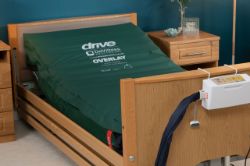
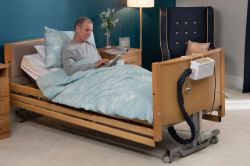
Dynamic alternating pressure mattresses use an electric pump to inflate and deflate air cells in controlled cycles. This regularly changes where pressure is applied, helping reduce sustained pressure on vulnerable areas. They may be considered where additional pressure redistribution is required following an individual assessment.
Designed for people at very high risk of pressure ulcers, this replacement mattress uses alternating air cells and automatic pressure regulation to redistribute pressure.
For bariatric patients requiring specialist pressure relief, this system combines a wider sleeping surface with alternating air cells and digital pressure controls.
High-specification foam mattresses

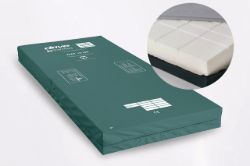
High-specification foam mattresses redistribute pressure without an electric pump. Visco-elastic foam moulds to the body, helping spread weight across a larger area. NICE recommends high-specification foam mattresses for adults admitted to secondary care and adults assessed as being at high risk in primary or community care.
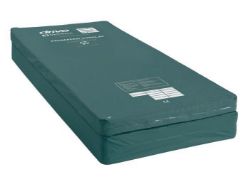
This static mattress uses castellated visco-elastic foam to redistribute pressure. Reinforced sides provide stability at the mattress edge.
Hybrid pressure relief mattresses

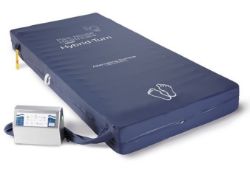
Hybrid pressure relief mattresses combine supportive foam with air cells to redistribute pressure. Some models can operate without a pump and be connected to one when powered alternating pressure is needed. This allows carers to adapt the mattress as the person’s pressure care needs change.
Hybrid-Power Mattress System with Digital Pump Unit
This system combines high-specification foam with alternating air cells. The digital pump allows carers to adjust pressure therapy as care needs change without replacing the mattress.
For more help choosing the right kind of ulcer prevention mattress, see our guide to pressure relief mattresses.
Pressure relief cushions for wheelchairs and chairs

Pressure relief cushions help redistribute weight and improve comfort for people who spend extended periods sitting. HealthCare Direct offers static foam cushions for everyday seated support and hybrid models with the option of powered alternating pressure.
This lightweight static cushion combines high-resilience foam with a visco-elastic inner layer that moulds to the body, helping redistribute pressure and support a stable seated position.
Designed for people at high risk of pressure ulcers, this cushion can be used as a static foam cushion or connected to a compatible Theia Digital Pump to provide alternating pressure.
Heel protectors for pressure ulcer prevention

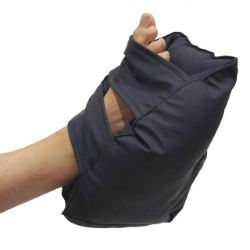
Heel protectors pad the heels and ankles and help reduce friction and pressure during bed rest. Some specialist heel protectors are designed to fully offload the heel by holding it clear of the mattress. Check whether the person’s care plan calls for cushioning or full heel offloading when choosing a product.
These soft, fibre-filled cushions pad the heels and ankles and help reduce friction during prolonged bed rest.
Choosing the right pressure relief equipment
Consider the person’s mobility, pressure ulcer risk, weight and care needs. Check product dimensions, weight limits and compatibility with the bed, chair or pump it will be used with, and seek professional advice where required. Pressure relief equipment should always be used alongside appropriate repositioning, skin checks and an individualised care plan.
Frequently asked questions
1. What is the best mattress for preventing pressure ulcers?
The most suitable mattress depends on the person’s mobility, pressure ulcer risk and care needs. A high-specification foam mattress provides pressure redistribution without a pump. Dynamic and hybrid systems offer different ways to provide powered alternating pressure where needed.
2. How often should a patient be repositioned to prevent pressure ulcers?
NICE advises encouraging adults assessed as being at risk to change position at least every six hours, and those at high risk at least every four hours. Follow the frequency documented in the person’s care plan, including when a pressure relief mattress is in use.
3. Can pressure relief cushions help prevent pressure ulcers?
Yes. A suitable cushion can help redistribute body weight and reduce sustained pressure on vulnerable areas, particularly for wheelchair users and others who spend extended periods sitting.
4. What is the difference between pressure redistribution and pressure offloading?
Pressure redistribution spreads body weight across a wider area to reduce concentrated pressure. Offloading takes pressure off a specific area, for example by keeping the heel clear of the mattress.
Want to find out more?
Explore HealthCare Direct’s static foam mattresses, dynamic mattresses, hybrid mattresses, pressure relief cushions, and other pressure relief solutions.
If you have any questions or would like help comparing options, our friendly team at HealthCare Direct is always happy to help. Just give us a call on 0208 236 0060.
References
Alerta Medical. Alerta Ruby 2 Replacement System product specifications (accessed 18 November 2026).
European Pressure Ulcer Advisory Panel. Stop Pressure Ulcers (accessed 18 November 2026).
HealthCare Direct. Profiling Bed Foam Mattresses, Dynamic Mattresses, Hybrid Mattresses, Pressure Relief Cushions, and Pressure Relief product pages
National Institute for Health and Care Excellence. Pressure ulcers: prevention and management (CG179) (accessed 18 November 2026).





Leave your comment