










































At Healthcare Direct, we understand that choosing the right walking aid can make a real difference to everyday mobility and independence. From walking sticks and frames to rollators and tri-walkers, there are several options available. In this guide, we explain the differences between each type and what to consider when choosing a walking aid.
Shop our range of Walking Aids Here: Walking Aids. Healthcare

Key Benefits of Walking Aids
- Additional support: Walking aids can provide extra support for people who have difficulty walking or maintaining their balance.
- Greater confidence: The right walking aid can provide reassurance when moving around at home or outdoors.
- Different levels of support: Walking sticks, frames and wheeled walking aids offer different levels and types of assistance.
- Easier movement: Wheeled options can allow users to move the aid forward without lifting it.
- Maintaining independence: A suitable walking aid can help people continue with everyday activities and move around more independently.
Who Are Walking Aids Suitable For?
Walking aids can be suitable for people who have difficulty walking because of reduced mobility, balance problems, weakness, injury or recovery from an operation. The most appropriate type will depend on the individual's mobility and where the aid will be used.
A walking stick may be suitable for someone who needs occasional support, while a walking frame can provide a wider base of support. Rollators and tri-walkers offer wheeled alternatives that may be easier to manoeuvre for some users.
If you are experiencing new or worsening problems with your balance or mobility, or are unsure which walking aid is suitable, seek advice from a healthcare professional.
How to Choose the Right Walking Aid
The first thing to consider is how much support you need and where you will use the walking aid.
Walking sticks

Walking sticks are generally lightweight and can provide additional support while walking. They can be a practical option for people who are able to walk independently but need some extra assistance with balance or stability.
When choosing a walking stick, consider the handle style, height adjustment and type of ferrule. The stick should be adjusted correctly for the user.
Shop Walking Sticks Here: Walking Sticks. Healthcare
Walking frames

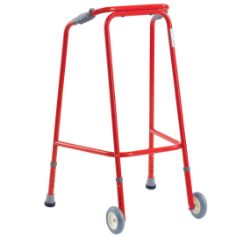
Walking frames provide a wider base of support than a walking stick. They are available in different designs, including models with and without wheels.
A non-wheeled frame needs to be lifted and moved forward, while wheeled models can be pushed along. Consider the user's strength, balance and ability to manoeuvre the frame before choosing one.
Shop Walking Frames Here: Walking Frames. Healthcare
Rollators


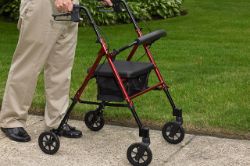
Rollators are wheeled walking aids designed to be pushed along as you walk. Many models include features such as hand-operated brakes, a seat and storage.
A rollator can be useful for people who want additional support while walking and may benefit from being able to stop and rest. Check that the user can operate the brakes safely and comfortably.
Shop Rollators Here: Rollators. Healthcare
Tri-walkers

Tri-walkers have three wheels and are designed to provide support while remaining relatively lightweight and manoeuvrable.
They can be useful where a user wants a wheeled walking aid that is easy to move and store -features vary between models.
Shop Tri-walkers Here: Tri-Walkers. Healthcare
Check the specifications
Whichever type of walking aid you choose, check the product specifications carefully. Important details can include the maximum user weight, overall dimensions, handle-height range, product weight, wheel size and whether the aid is designed for indoor or outdoor use.
These specifications vary between products, so always check the information for the individual model before making a purchase.
Frequently Asked Questions
Is a walking stick or walking frame better?
Neither is automatically better. A walking stick generally provides a lower level of support, while a walking frame offers a wider base of support. The right choice depends on the individual's mobility and support requirements.
What is the difference between a rollator and a tri-walker?
Both are wheeled walking aids. A rollator can have three or four wheels and may include features such as a seat, brakes and storage. A tri-walker has three wheels and is generally designed to be lightweight and manoeuvrable.
Can walking aids be used outdoors?
Some walking aids are designed for both indoor and outdoor use, while others are intended for specific environments. Always check the individual product description and manufacturer's instructions before using a walking aid outdoors.
How do I know which walking aid is right for me?
Consider how much support you need, where you will use the aid and which features are important to you. If you are unsure, a physiotherapist, occupational therapist or other healthcare professional can assess your needs and recommend a suitable option.
Find the Right Walking Aid
From walking sticks and frames to rollators and tri-walkers, Healthcare Direct offers a range of mobility aids to support everyday independence.
Explore our walking aids range to find the option that best suits your needs.